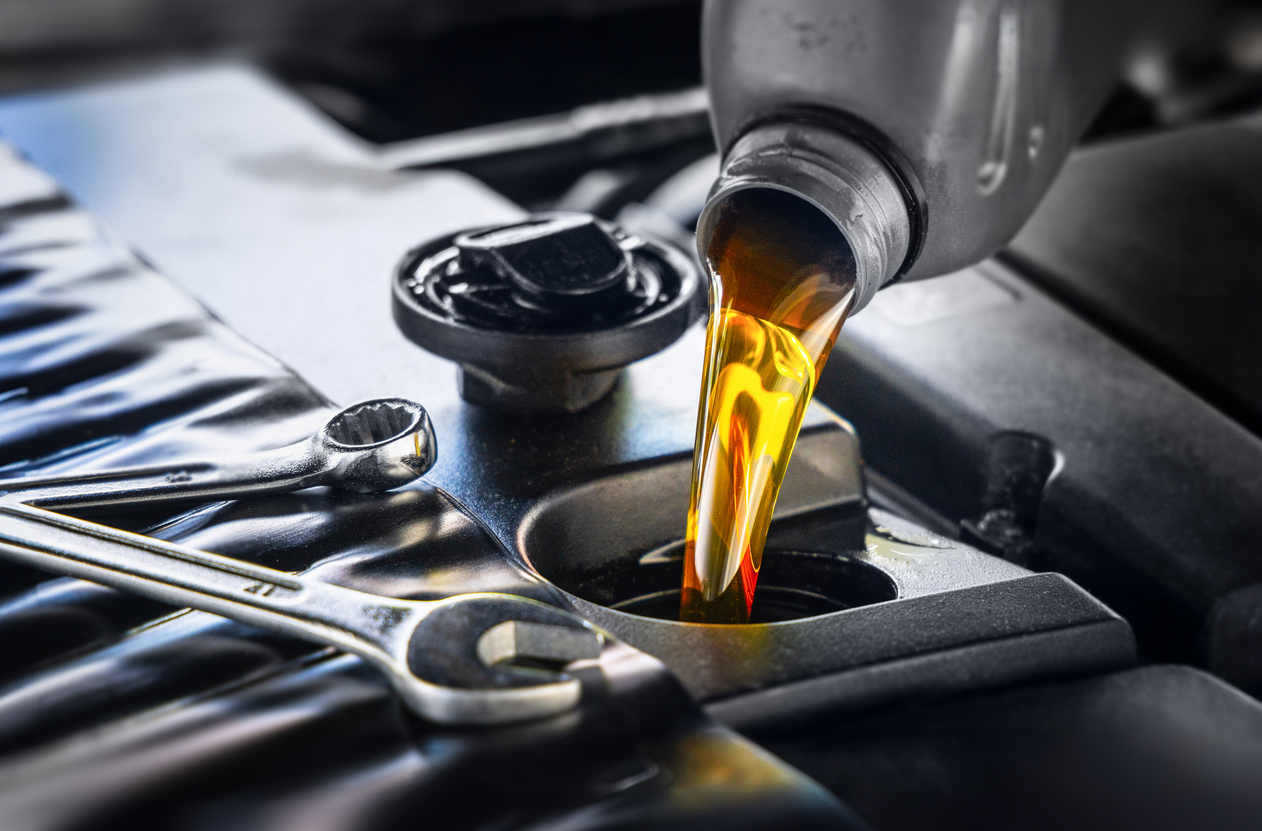
Your car’s engine is a complex machine with countless moving parts, all working together at high speeds and temperatures. What keeps this intricate system running smoothly? Engine oil. It’s the lifeblood of your vehicle, and keeping it fresh through a regular oil change service is the single most important maintenance task you can perform.
Think of an oil change as more than just a routine expense; it’s a vital investment in your car’s health, performance, and longevity. This guide will walk you through why this service is so crucial, how to spot the signs that you need one, and how to choose the right oil for your vehicle.
The Importance of Regular Oil Changes
Engine oil serves several critical functions. It lubricates moving parts to reduce friction, cleans the engine by picking up dirt and debris, helps cool engine components, and prevents corrosion. Over time, this oil breaks down and becomes contaminated.
When you skip or delay an oil change, you are forcing your engine to run on old, dirty oil. This sludgy, ineffective lubricant can no longer do its job properly. The consequences can range from decreased performance and fuel efficiency to severe, and often irreversible, engine damage. Regular oil changes ensure your engine is always protected by clean, effective oil, allowing it to operate at its best.
Benefits of Timely Oil Change Service
Sticking to a consistent oil change schedule delivers tangible benefits that you’ll notice both in your daily drive and over the life of your vehicle.
Enhanced Engine Performance
Clean oil allows engine components to move freely with minimal friction. This translates directly to a smoother, quieter, and more responsive engine. You might notice quicker acceleration and a more stable idle after a fresh oil change.
Improved Fuel Economy
Friction is the enemy of efficiency. When your engine is well-lubricated, it doesn’t have to work as hard to produce power. This reduced effort means it consumes less fuel. While an oil change won’t double your mileage, studies have shown that clean oil can improve gas mileage by 1-2%. Over a year, those savings add up.
Increased Vehicle Longevity
This is perhaps the most significant benefit. An engine that is consistently serviced with clean oil will last much longer than one that is neglected. Heat and friction are the primary causes of engine wear and tear. By managing these two factors, regular oil changes prevent the premature breakdown of critical components, helping you get more years and miles out of your car.
Reduced Harmful Emissions
Old, dirty oil can burn off inside the engine, releasing harmful hydrocarbons into the atmosphere through the exhaust system. Keeping your oil clean ensures a more complete and cleaner combustion process, which helps reduce your vehicle’s carbon footprint and ensures it can pass emissions tests.
Signs Your Car Needs an Oil Change
While your owner’s manual provides a recommended service interval, your car will also give you signs that it’s time for a change. Learning to recognize these signals can help you prevent potential damage.
1. Check Engine or Oil Change Light
The most obvious sign is a dashboard warning light. The “Check Engine” light can indicate various issues, but an oil problem is a common trigger. Some modern cars have a specific light that illuminates when the oil life monitoring system determines it’s time for a service.
2. Dark and Dirty Oil
Clean engine oil is typically a translucent, amber color. As it circulates through the engine, it picks up dirt, dust, and metal particles, causing it to darken. You can check your oil using the dipstick. If the oil appears black, thick, or gritty, it’s time for a change.
3. Engine Noise and Knocking
Oil provides a protective layer between engine parts, preventing metal-on-metal contact. When the oil becomes thin or sludgy, this protective layer breaks down. You might hear a knocking or rumbling sound from the engine as parts begin to grind against each other.
4. An Oily Smell Inside the Car
If you smell oil inside your car’s cabin, it could be a sign of an oil leak. This is a serious issue that needs immediate attention from a qualified mechanic.
5. Exhaust Smoke
While some vapor from the tailpipe is normal, thick, blue, or gray smoke is not. This often indicates that oil is leaking into the engine’s combustion chambers and being burned along with the fuel.
Choosing the Right Oil for Your Vehicle
Not all engine oils are created equal. Using the correct type of oil is just as important as changing it regularly. Your owner’s manual is the definitive source for this information, but here’s a general breakdown of the types available.
Conventional Oil
This is the standard oil used in many new cars. It’s the most affordable option and provides good lubrication and protection for engines under normal driving conditions. It generally needs to be changed every 3,000 to 5,000 miles.
Synthetic Blend Oil
As the name suggests, this is a mix of conventional and synthetic oils. It offers better protection and performance than conventional oil at a lower cost than full synthetic. It’s a great middle-ground option for drivers who put their vehicles under slightly more stress, such as frequent stop-and-go traffic.
Full Synthetic Oil
Full synthetic oil is chemically engineered to provide the highest levels of lubrication and engine protection. It performs better at extreme temperatures, resists breakdown for longer, and contains superior cleaning agents. It’s ideal for high-performance vehicles and can often extend oil change intervals to 10,000 miles or more.
High-Mileage Oil
If your vehicle has more than 75,000 miles on the odometer, high-mileage oil is an excellent choice. It contains special additives and seal conditioners designed to reduce leaks and oil consumption in older engines, helping to extend their life.
Take the Next Step for a Healthier Car
An oil change service is a simple, inexpensive, yet powerful way to protect your vehicle. It keeps your engine running efficiently, saves you money on fuel, and prevents costly repairs down the road. Pay attention to your car’s warning signs and consult your owner’s manual to establish a service schedule that works for you. By making this small commitment to regular maintenance, you ensure your car will serve you reliably for many years to come.