Signs your cooling system needs attention
- The temperature gauge climbs above its normal spot, or a red coolant warning appears
- Steam or a sweet smell from under the hood
- A puddle of green, pink, orange or blue fluid under the front of the car
- The coolant level keeps dropping, with no leak you can see
- The heater blows cold air while the engine is warm
- The cooling fan runs loudly all the time, or never seems to run at all
- A message such as “Engine too hot, stop carefully” or “Coolant level low”
If the gauge reaches red, stop. Damage starts quickly once an engine is past its normal temperature.
The most common causes of overheating
| Cause | What usually happens | Typical clue |
|---|---|---|
| Low coolant from a leak | Hoses, the expansion tank, the radiator or the water pump seep over time | Level drops; dried coolant crust around fittings |
| Failed thermostat | Stuck closed, it blocks coolant from reaching the radiator | Overheats quickly, upper hose stays cool |
| Water pump failure | The impeller or electric pump stops moving coolant | Overheats under load; a weep hole leak or a pump fault code |
| Cooling fan or fan module | No airflow at low speed | Overheats in traffic, fine on the highway |
| Clogged radiator | Debris outside or scale inside cuts heat transfer | Slowly worse each summer |
| Head gasket leak | Combustion gas pushes into the coolant | Bubbles in the tank, white exhaust, lost coolant |
| Air trapped in the system | Common after a coolant service done without bleeding | Gauge swings up and down, heater blows cold |
How we diagnose an overheating car
- Scan and live data. We read engine temperature from the computer, check fan commands and look for pump and thermostat fault codes. Many modern European cars use electric water pumps and map-controlled thermostats that report their own faults.
- Pressure test. We pressurize the cooling system and the radiator cap to their rated pressure and watch for drops and drips.
- Fan test. We command the fans on and check the relay, module and wiring.
- Combustion leak test. A chemical test detects exhaust gases in the coolant. If it is positive, a leak-down test shows which cylinder is affected.
- Photos and a written estimate. You see the cracked tank, the wet pump or the test results on your phone and approve the repair before we begin.
- Repair, bleed and road test. We refill with the coolant your manufacturer specifies, bleed the air out using the correct procedure and road test in traffic and at speed.
European cars run hotter by design
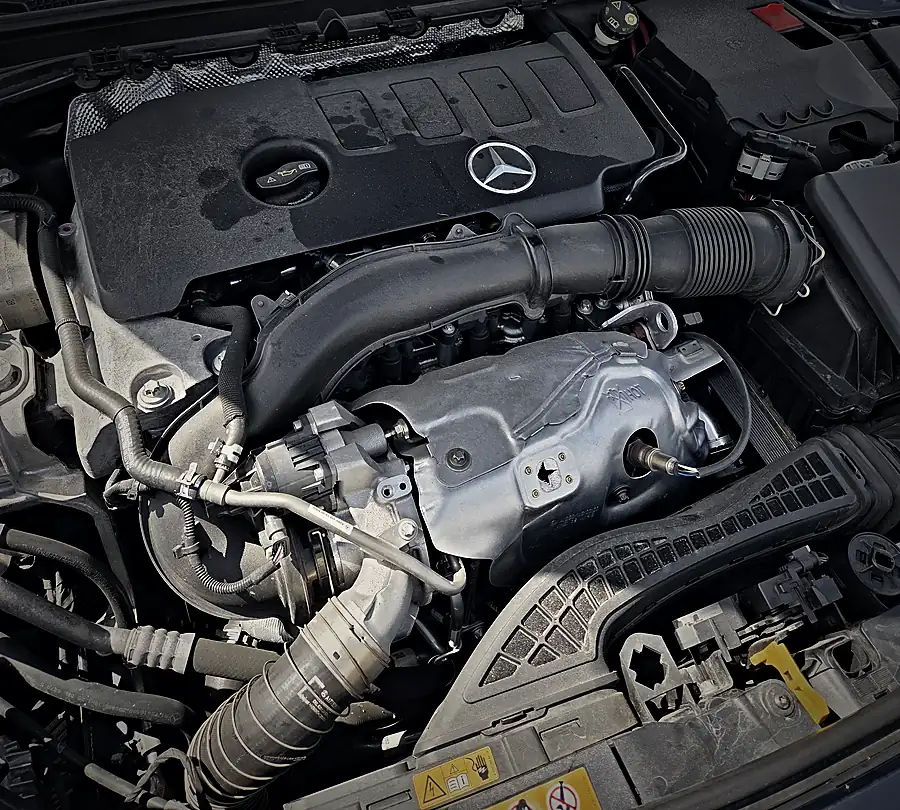
BMW, Mercedes-Benz, Audi, Porsche and Land Rover engines run at higher temperatures and pressures than many older designs, and their cooling systems use more plastic parts. Expansion tanks, thermostat housings and coolant pipes become brittle with heat and age. BMW electric water pumps tend to fail without warning. We see these patterns every week; see coolant leak repair for brand-by-brand details.
Why overheating is common in South Florida
Summer afternoons in Broward push cooling systems to their limit. Long idles in traffic on I-95, Sunrise Boulevard and Oakland Park Boulevard, with the A/C on high, give the radiator little airflow and a lot of heat. Coolant that is years old loses its corrosion protection and starts eating at pumps and radiators. Cars that sit for months while their owners travel often come back with dried-out hoses and seals. A yearly cooling system check before summer costs far less than an engine.
Getting your car to us
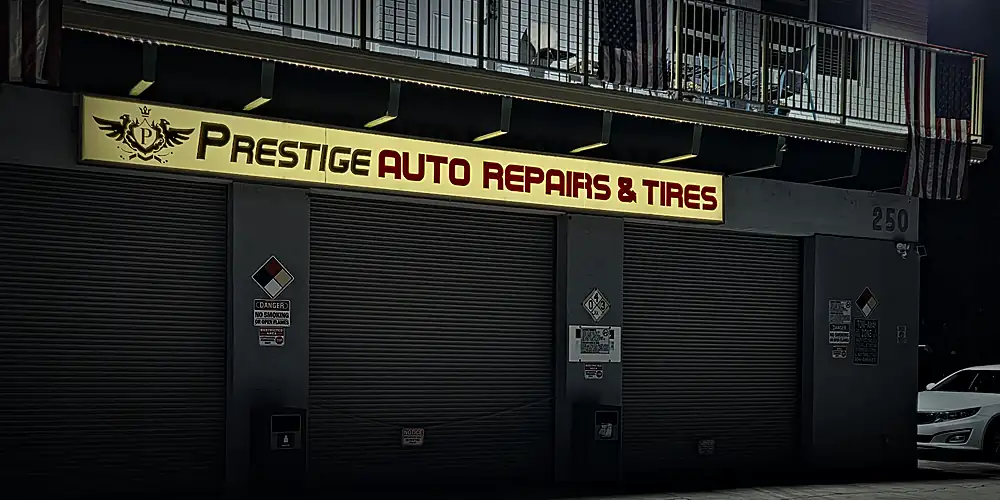
Do not drive a car that is overheating. Call the shop to schedule pickup with our concierge service. If the car is safe to move once cool, walk in at either shop, 8 AM – 7 PM. Oakland Park, at 250 NE 44th St, is open 7 days and has after-hours drop-off: the lot is open 24 hours, keys go in the drop box at the front door and we call you in the morning. Fort Lauderdale, at 930 NE 4th Ave, is open Monday to Saturday. Repairs carry our 2-year / 24,000-mile warranty.