Why we photograph before we quote
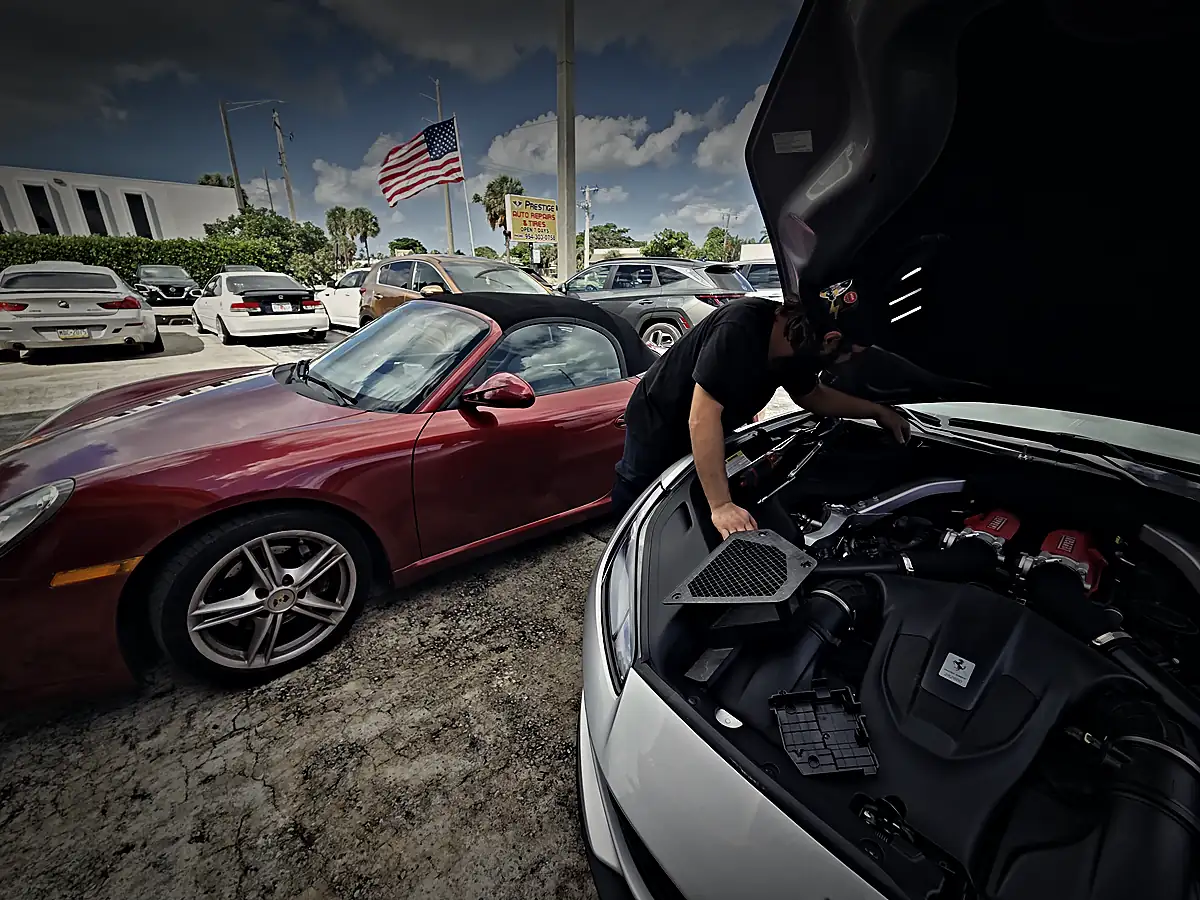
A repair estimate is only as good as the evidence behind it. A worn brake pad, a cracked coolant pipe or a leaking air strut is easy to show in a photo and hard to explain over the phone, so our technicians photograph every finding at both shops and the service advisor builds the estimate from those photos. You see what we saw, at the moment we saw it, and you decide what to do. The same photos stay on file, which is how our 2-year / 24,000-mile warranty is honored at either shop without an argument about what was done.
How the inspection works, step by step
- Check-in. You tell us the symptom, or just ask for an inspection. We note the mileage and take a photo of the dash, including any warning lights.
- Scan. When a light or fault is involved, the technician reads every control unit with the make’s own software (ISTA for BMW, XENTRY for Mercedes-Benz, PIWIS-level for Porsche, ODIS-level for Audi and VW, Pathfinder-level for Land Rover and Jaguar), not a generic code reader.
- On the lift. The technician checks brakes, tires, suspension, steering, leaks, belts, hoses, battery and the item you came in for, and photographs each finding with a note: fine, watch, or needs attention.
- Measurements. Brake pad and rotor thickness, tire tread depth, battery and charging test, and any reading the make specifies, written on the report rather than remembered.
- The written estimate. The service advisor sends the photos and a line-by-line estimate to your phone by text or email. Items that need attention now are separated from items that can wait.
- Your approval. You open the link, read each line, ask questions, and approve all, some or none. Work starts only on the lines you approved.
- After the repair. You receive the photos of the finished work and the invoice. Both go in your file.
What the report looks like
Each line of the report has a photo, a one-sentence note in plain language, and a priority. A typical report on a six-year-old BMW from Victoria Park might show an oil filter housing gasket seeping (photo of the oil trail, priority now), rear pads at 4 mm (photo of the gauge, priority soon), a cracked serpentine belt (photo, priority now), and tires at 7/32 inch (fine). The estimate lists parts and labor for the two “now” items and a note on when to plan the pads. You approve the two lines, decline the pads for now, and the car is repaired the same way you approved it.
What it is not
It is not a sales list. A digital inspection that finds nothing says so, with the photos to prove it, and the car leaves with an inspection record and no invoice for repairs. It is also not a replacement for the factory’s recall and warranty process: when the inspection finds a recall or a repair the manufacturer should pay for, the report says so and points you to the dealer.
Why it matters more on European and exotic cars
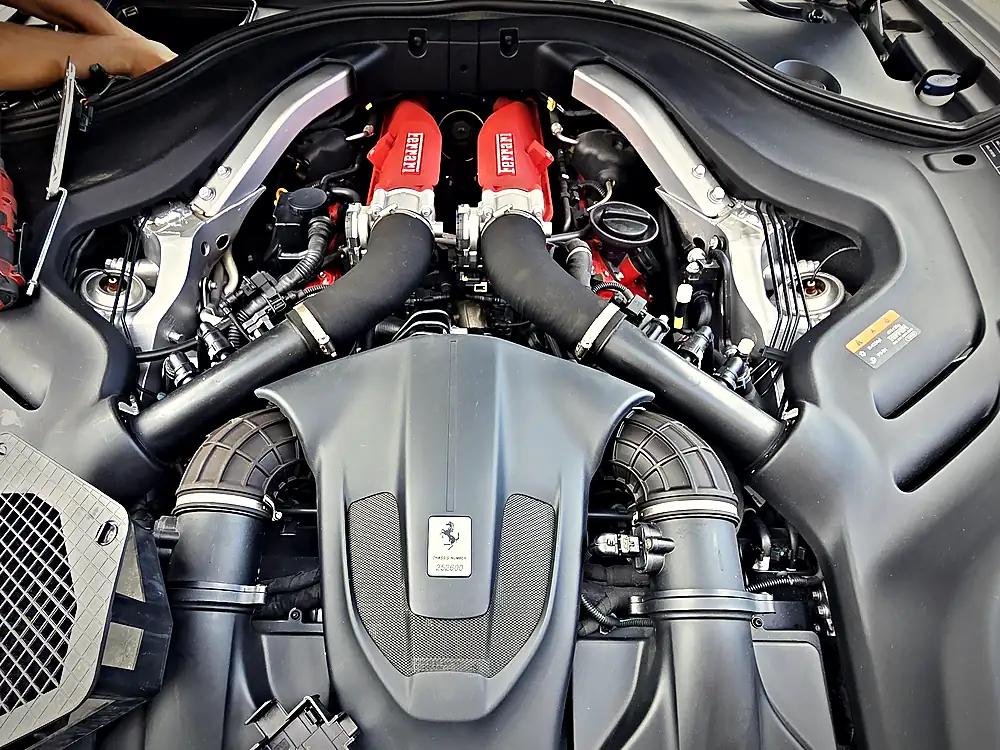
The expensive mistakes on a BMW, Mercedes-Benz, Porsche or Range Rover come from replacing the wrong part. A fault code names a circuit, not a component, and a leak shows up two feet from its source once the air has blown it around a hot engine bay. Photographing the source before quoting means you pay for the part that failed, not the one the code pointed at. On a used exotic, the same photo report is the pre-purchase inspection that decides whether to buy.
Both shops, same report
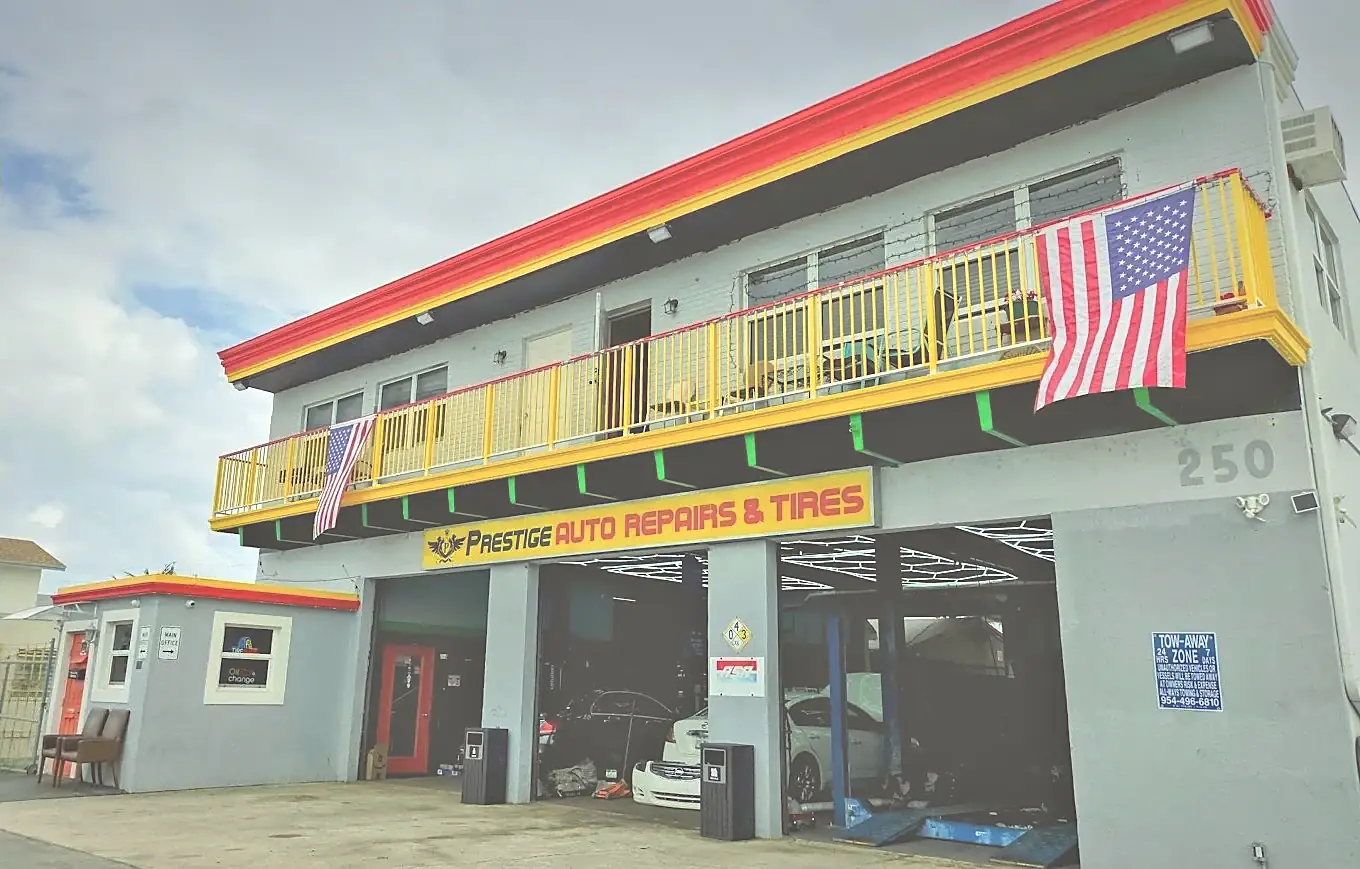
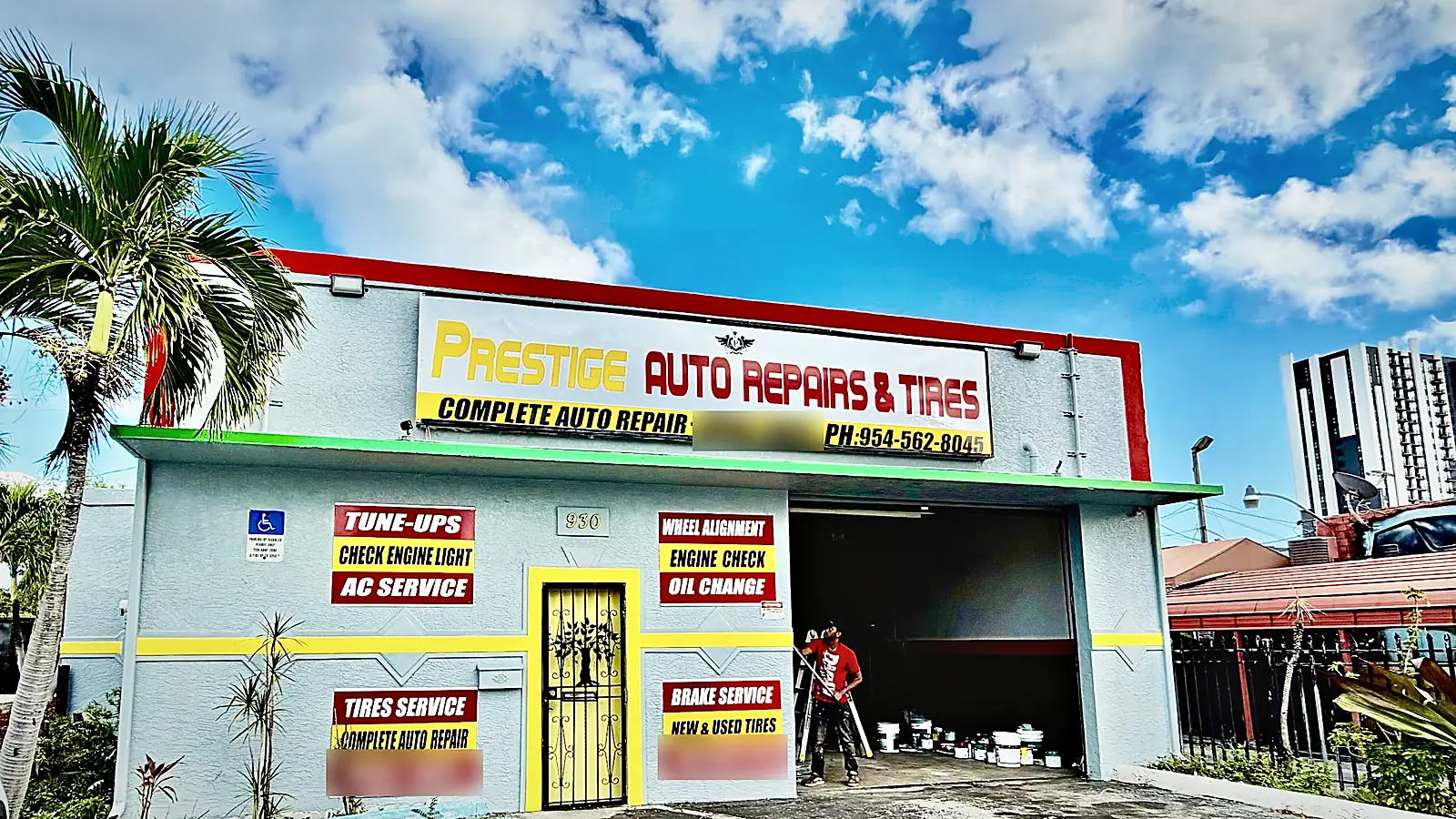
The report is the same at 250 NE 44th St in Oakland Park, open 7 days, and 930 NE 4th Ave in Fort Lauderdale, Monday to Saturday, 8 AM to 7 PM. The photos and estimate are in English or Spanish, and a second opinion on another shop’s estimate works the same way: we inspect, photograph and write our own estimate, and you compare. Our guide to choosing a European car specialist explains why a written estimate with photos is the first thing to ask any shop for, and the about us page covers the standards behind it.
Part of our about Prestige guide: European & Exotic Car Repair