A Tesla Power reduced alert means the car is limiting the power its battery or a drive unit can deliver, to protect a component. Acceleration is lower, and top speed may be too. Common causes include battery temperature, a very low state of charge, a cooling system problem, a low-voltage battery fault, and a fault in a drive unit or the high-voltage battery. An independent shop can check everything around the pack. The pack and the inside of the drive units stay with Tesla.
The alert rarely appears alone. It usually has a second line, such as a note that the car is OK to drive, that a front or rear motor is disabled, or that service is required. That second line and the alert code beside it are the most useful details you can write down.
Why a Tesla limits its own power
A Tesla’s computers watch the temperature, voltage and current of the battery pack and each drive unit all the time. Each part has a range it is allowed to work in. When a reading moves outside that range, or a sensor stops reporting, the car reduces the power it will deliver so that the part is not damaged. The power meter on the screen often shows the limit as a dashed section.
Some limits are normal and temporary. Others mean a fault has been stored. The difference is usually clear from whether the alert goes away once conditions change.
Common causes of the Power reduced alert
| What is going on | What it usually means | Who handles it |
|---|---|---|
| Alert after repeated hard acceleration, fast charging or a long climb in heat, clears after a rest | Battery or drive unit temperature limit | No repair if it does not return |
| Alert at a very low charge level | Pack protecting itself at low state of charge | Charge the car |
| Alert in hot weather with weak cabin A/C, loud fans or coolant under the car | Cooling system fault | Independent shop for leaks, fans, radiator and A/C; Tesla for parts inside the pack |
| Alert with a low-voltage battery warning or screen restarts | Low-voltage system fault | Independent shop for the 12V battery; Tesla for the converter |
| Alert saying a front or rear motor is disabled | Drive unit or inverter fault | Tesla |
| Alert with reduced maximum charge level, or charging stops | High-voltage battery fault | Tesla |
| Alert after hitting debris, a curb or deep water | Underbody or water damage | Inspection first, then Tesla or body repair as needed |
Less common causes include an accelerator pedal sensor fault and a wiring or connector fault between components. The shop confirms on inspection what can be seen and tested from outside the high-voltage system.
Temperature limits
The pack delivers full power only inside a temperature window. In South Florida the cold end of that window is rarely a concern. The hot end is. Several fast-charging sessions in a row, repeated full-throttle runs or a long drive at high speed in summer can bring the pack or a drive unit to its limit. The car cuts power, runs the cooling system hard and restores power when temperatures fall. If that happens once after unusual use, it is the car working as designed.
A cooling system problem
The pack and drive units are liquid-cooled, and in hot weather that coolant is chilled through the air conditioning system. That link matters. Low coolant, a blocked radiator or condenser at the front of the car, a failed fan or an A/C system that has lost performance all reduce the car’s ability to cool the pack. The first signs are often a cabin that cools poorly, fans that run loudly after parking, or coolant on the ground. This is work we do: see car A/C repair for how we test the refrigerant side.
The low-voltage battery
Every Tesla has a small low-voltage battery that runs the computers and closes the contactors that connect the main pack. When it is weak, the car can post several alerts at once, and reduced power may be among them. This is the cause an independent shop can most often repair outright. Our guide to the Tesla 12V battery warning explains the battery types and what we test.
A drive unit fault
On a dual-motor car, a fault in one drive unit or its inverter can lead the car to switch that motor off and continue on the other. The car still moves, with less power and without all-wheel drive. The drive units are sealed assemblies covered by Tesla’s battery and drive unit warranty for a set period, so the first step is to check whether your car is still inside it.
A high-voltage battery fault
The pack’s management system limits power if it sees a cell group out of balance, an insulation fault or a problem with a contactor or sensor inside the pack. These alerts often come with a lower maximum charge level or a refusal to charge. Nothing inside the pack is serviced outside Tesla’s network, and we do not open it.
Can I keep driving?
Usually reasonable for a careful drive home or to a shop:
- The alert says the car is OK to drive.
- The car pulls away and holds speed, with less acceleration than normal.
- No other alert asks you to stop.
Leave more room for merging and passing, because the car will not accelerate the way you expect. Avoid fast charging until the cause is known.
Stop somewhere safe:
- The alert tells you to pull over, or says the car is shutting down or may not restart.
- You see smoke, smell burning or hear popping from under the floor. Get everyone out, move away from the car and call 911.
- Coolant is running from under the car.
- The alert appeared right after an underbody impact or driving through deep water.
What a shop can and cannot do
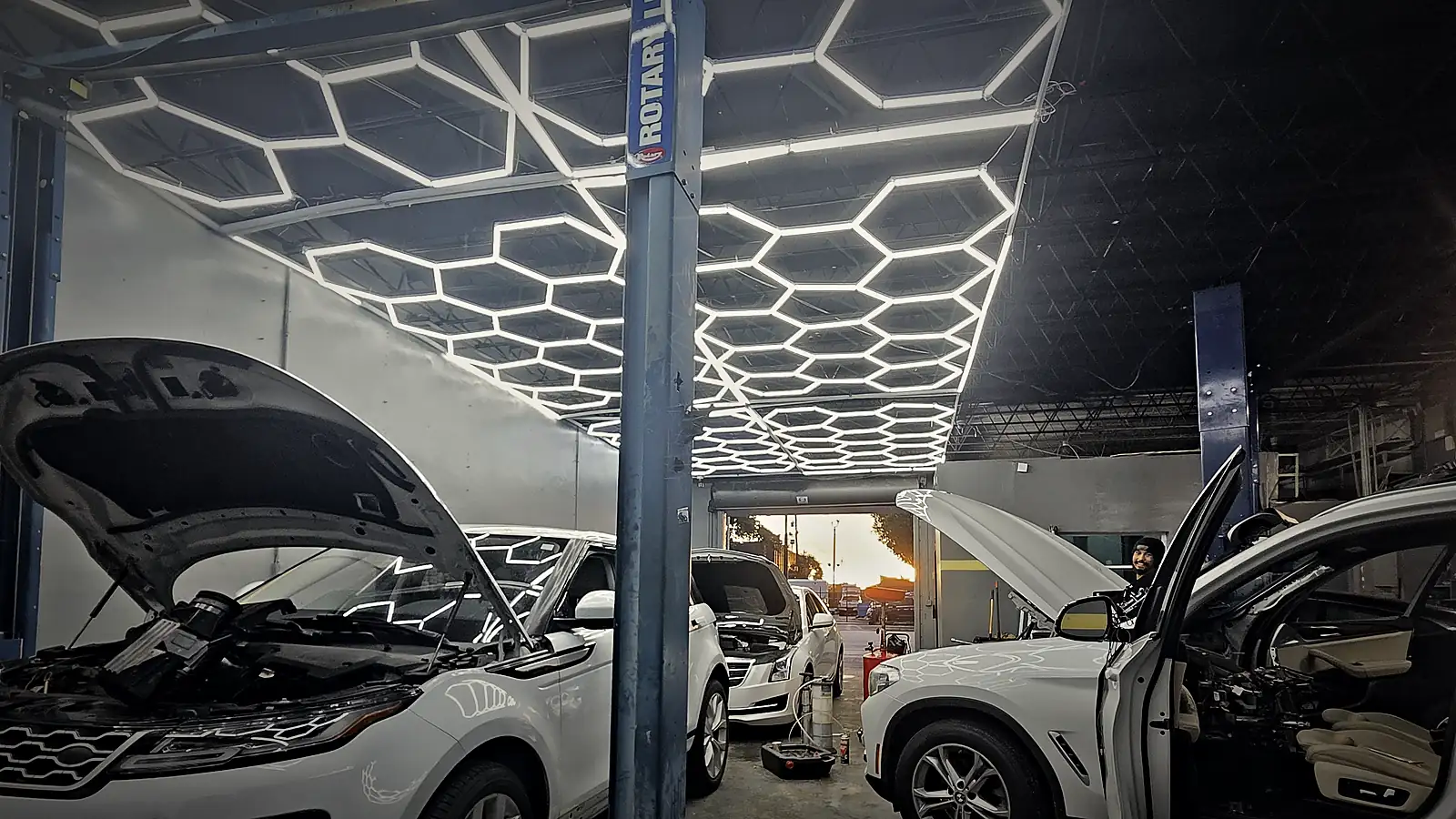
At Prestige Auto Repairs & Tires we check the systems around the high-voltage components:
- Record the alerts shown on the touchscreen, with their codes and the order they appeared in.
- Test the low-voltage battery and inspect its terminals and grounds.
- Check the coolant level and look for leaks at the hoses, pumps and fittings that can be reached without opening high-voltage parts.
- Inspect the radiator, condenser and fans for blockage and damage, and test A/C performance.
- Inspect the underbody on the lift for impact damage to the pack’s shield, the coolant lines and the connectors, and for signs of water entry.
- Send photos and a written report of what we found, with an estimate for anything we can repair.
What stays with Tesla:
- Opening, repairing or replacing the high-voltage battery pack
- Internal repairs to a drive unit or its inverter
- The converter that charges the low-voltage system
- Software updates and warranty decisions
If the fault belongs with Tesla, the photos and the list of alerts go with you to that appointment. If the car was in a collision or took water, our Tesla body shop page explains what we repair in house and what goes to Tesla’s network.
What to do next
- Photograph the alert, including the second line and the code.
- Note the charge level, the outside temperature and what the car was doing when it appeared.
- Let the car rest and see whether the alert returns on the next drive.
- Check the terms of your battery and drive unit warranty in the Tesla app or your paperwork.
- Request an estimate and attach the photo, or bring the car in for an inspection.
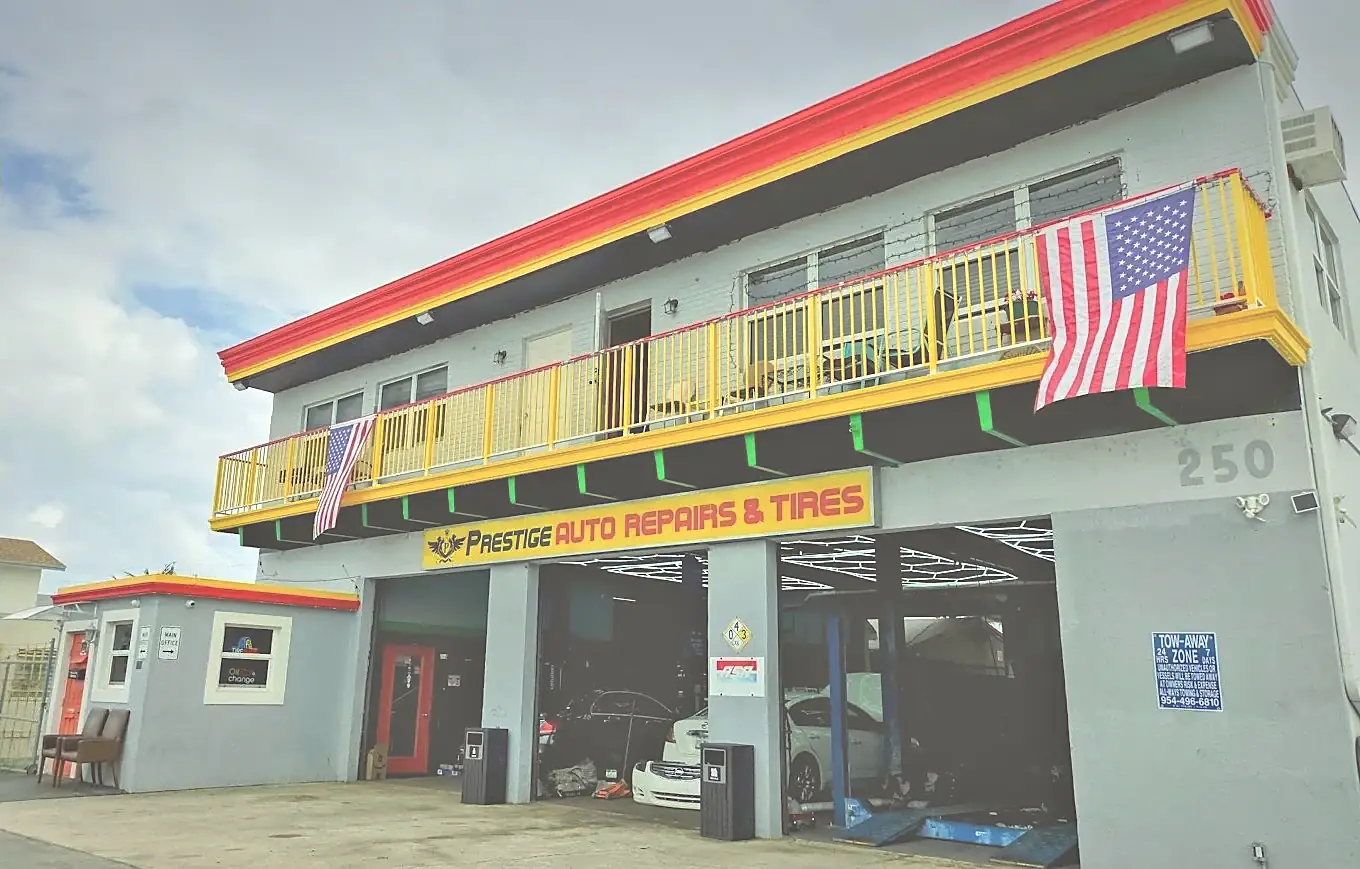
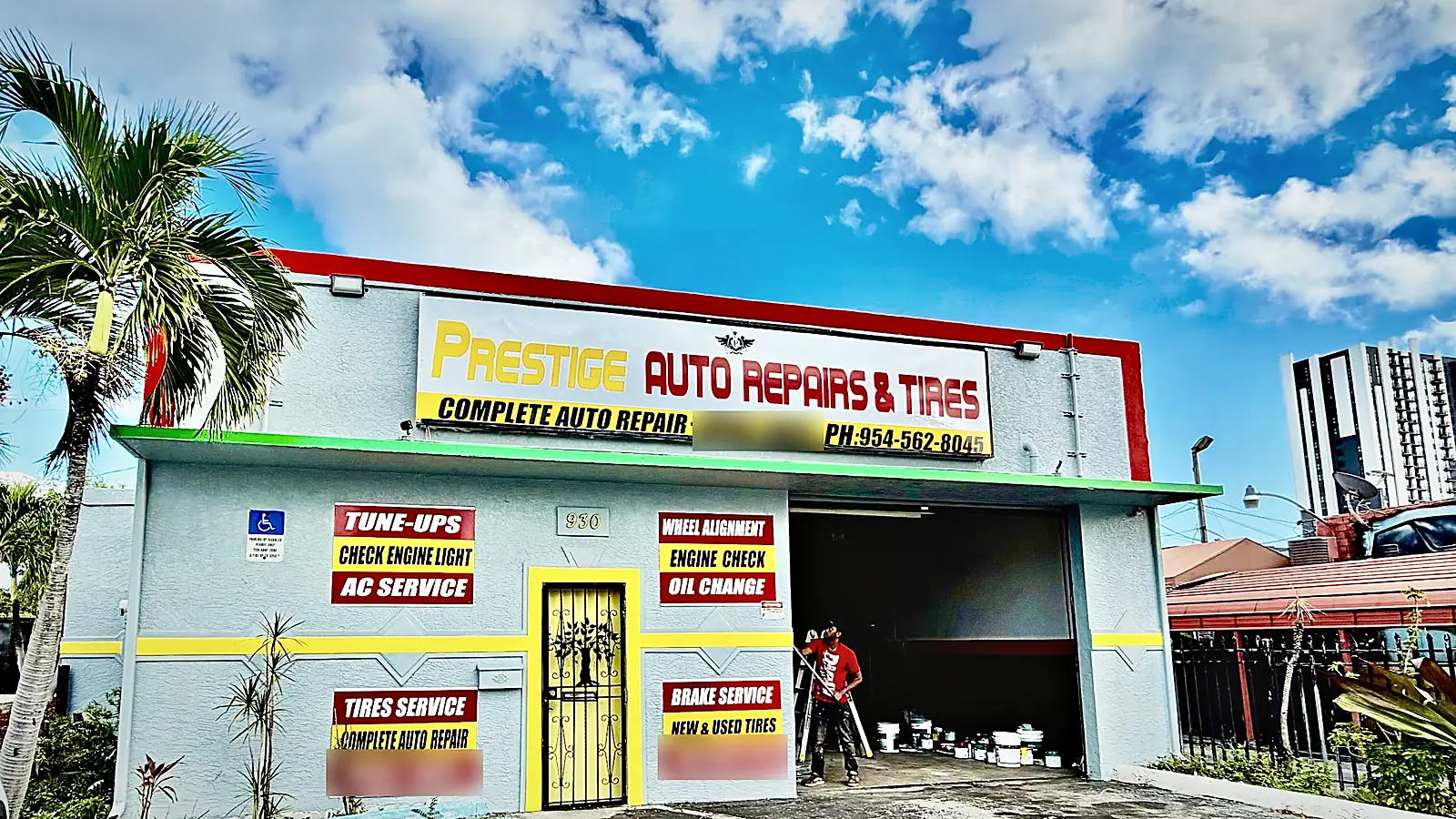
See Tesla and EV repair in Fort Lauderdale for the work we do on the Model 3, Model Y, Model S and Model X, and Tesla brakes, tires, alignment and 12V service for routine items. Bring the car to 250 NE 44th St in Oakland Park, open 7 days from 8 AM to 7 PM, (954) 303-0758, or to 930 NE 4th Ave in Fort Lauderdale, Monday to Saturday from 8 AM to 7 PM, (954) 562-8045.
Related repair services
- Tesla repair in Fort Lauderdale
- Hybrid repair in Fort Lauderdale
- Tesla brake service in Fort Lauderdale
- Polestar service in Fort Lauderdale