A Mercedes cabin that will not cool has one of a handful of causes, and the climate control module usually knows which one. This page covers A/C on Mercedes-Benz cars, SUVs and Sprinter vans. For A/C on other makes, see our car AC repair in Fort Lauderdale page, and for engine, transmission and electrical work on the same car, see Mercedes-Benz repair in Fort Lauderdale.
What goes wrong with Mercedes A/C?
These are the faults we find most often on Mercedes models in Broward:
- Condenser leaks. The condenser sits at the front of the car, ahead of the radiator, where road debris and salt air reach it first. A slow leak there is the most common reason a Mercedes loses cooling over a season.
- Line and O-ring leaks. Rubber O-rings at the line joints and crimped hose ends dry out with heat and age.
- Evaporator leaks. The evaporator sits inside the dash. A leak there shows up as slow loss of cooling and sometimes a musty smell. We confirm it with dye or an electronic detector before recommending dash work.
- Compressor control valve faults. On clutchless variable compressors, the control valve sets how much the compressor pumps. When the valve or its signal fails, the system can be fully charged and still blow warm.
- Pressure and temperature sensors. If a sensor reports a wrong value, the climate module shuts the compressor off to protect it.
- Auxiliary fan. The electric fan pulls air through the condenser at idle. When it stops, the A/C goes warm in traffic and the engine may run hot too.
- Blend door actuators. Small motors in the dash move the doors that mix hot and cold air. A clicking dash or one warm side usually means an actuator.
- Rear A/C. GL, GLS and Sprinter models with rear climate have long lines to the back of the vehicle and more joints that can seep.
How do we diagnose a Mercedes A/C problem?
- Vent temperature and your description. We note when it goes warm: at idle, on the highway, on one side, or after a few minutes.
- XENTRY scan of the climate module. Stored faults, sensor values, compressor control current and actuator positions.
- Pressure readings. High and low side pressures with the engine running, compared with ambient temperature.
- Leak test. Electronic detector and UV dye checks at the condenser, lines, compressor and evaporator drain.
- Electrical checks. Fan operation, control valve signal and sensor wiring.
- Photos and a written estimate that name the failed part, before any repair.
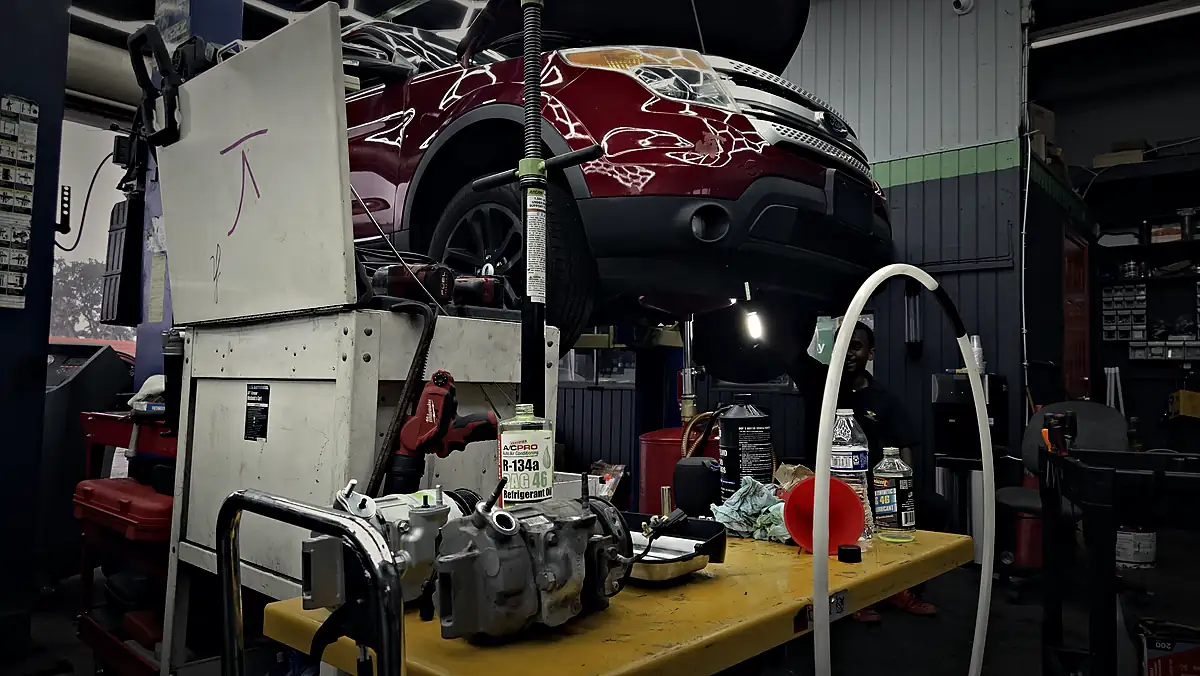
If the compressor has failed internally, we flush the system and replace the drier and expansion valve so debris does not damage the new one. Our AC compressor replacement page explains that job in detail.
Which Mercedes models do we work on?
C-Class, E-Class, S-Class, CLA, CLS, GLA, GLB, GLC, GLE, GLS, G-Class, AMG models and Sprinter vans, on both R134a and R1234yf systems. Hybrid models with an electric compressor need a specific insulating oil, and we use the oil Mercedes-Benz lists for that compressor.
What should you expect at the visit?
You can walk in or call ahead. Tell us when the A/C goes warm and, if you can, check how cold the vents are with our car A/C vent temperature checker first. We explain what we found with photos, separate what needs fixing now from what can wait, and do nothing without your approval. Repairs carry our 2-year / 24,000-mile warranty.
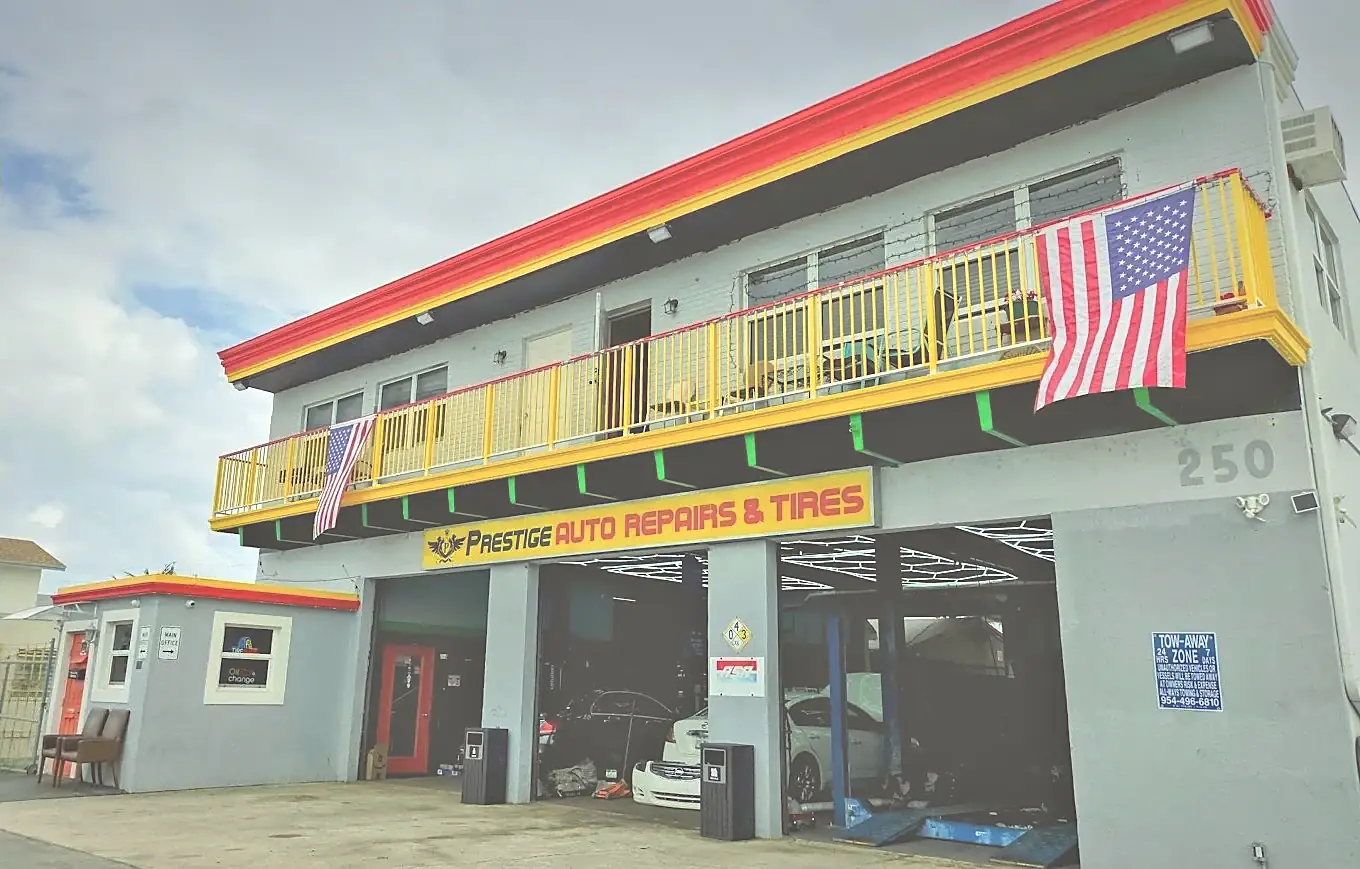
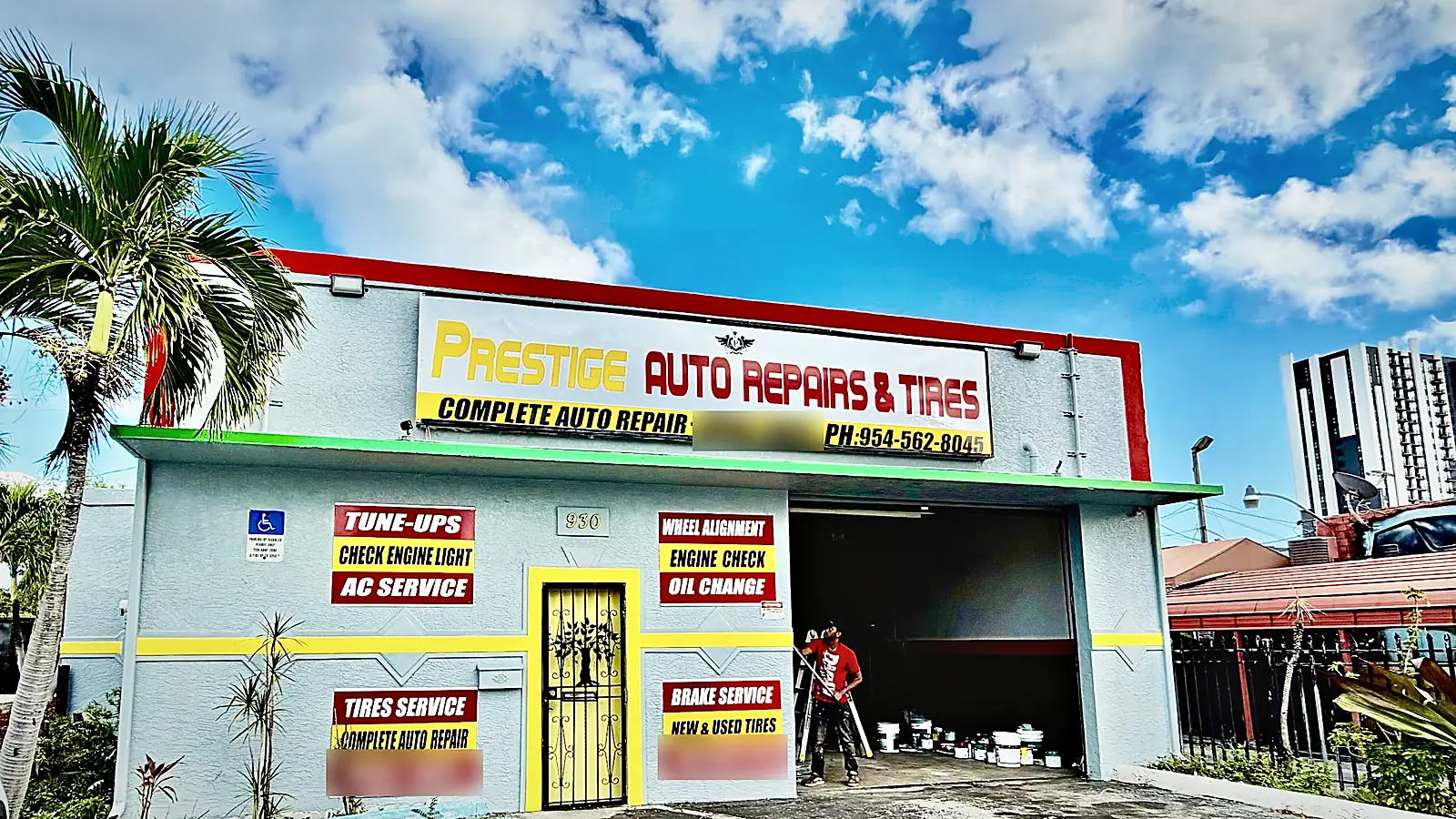
The Fort Lauderdale shop is at 930 NE 4th Ave, (954) 562-8045, Monday to Saturday, 8 AM to 7 PM. Oakland Park is at 250 NE 44th St, (954) 303-0758, open 7 days, 8 AM to 7 PM. If you cannot get away, call to arrange concierge pickup and delivery, or request an estimate online.
Part of our A/C and cooling guide: Car A/C repair in Fort Lauderdale